
MAiD Misinformation
MAiD is one of the most discussed — and misunderstood — areas of healthcare in Canada. Patients, families, healthcare professionals, and the public often encounter claims that are incomplete, misleading, or false.
This resource offers clear, accurate information about MAiD and practical support for responding to misinformation. Whether you are answering questions, preparing for a conversation, or trying to understand something you have seen or heard, it can help you find reliable corrections to common MAiD misinformation.
Five Basics for Responding to Misinformation
Responding to misinformation can feel overwhelming. These five starting points offer a simple way to decide when to respond, who you are speaking to, and how to keep your response calm, clear, and useful.
For deeper explanations, examples, and evidence, explore the rest of our misinformation resources below.
-
Not every false claim deserves your time, energy, or attention. Some misinformation is shared by people who are genuinely confused, frightened, or looking for answers. In those cases, a thoughtful response can help. But other misinformation is shared to provoke, distract, or pull people into an endless argument.
Consider how widely the misinformation has been seen, how many more people are likely to hear it, and how harmful the claim could be if left unchallenged.
Before responding, pause and ask: Will this help someone understand the issue better? And just as importantly: Who am I actually trying to reach?
You may not be able to convince the person spreading the misinformation. Often, the more important audience is everyone else watching, reading, or listening — the person who is unsure, the family member trying to make sense of what they heard, or the healthcare worker looking for a clear way to respond.
Sometimes the best choice is to respond directly. Sometimes it is better to share accurate information elsewhere, report the post, block the account, or say nothing at all.
-
Misinformation often works by provoking an emotional reaction. It may be designed to make people angry, afraid, disgusted, or defensive. Online, that reaction can become part of how misinformation spreads, because posts that generate outrage and argument often receive more attention.
Staying calm does not mean staying silent. It means choosing a response that is more useful than reactive. A calm response can correct the record, show confidence, and avoid making the false claim seem more powerful than it is.
This is especially important with topics like MAiD, where misinformation often relies on fear, shock, and emotionally loaded language. Meeting that with more anger can make the conversation harder for others to follow. A clear, steady response helps people see that reliable information is available.
-
Accurate information matters. You should know the basic facts and be ready to use them when needed. Facts can correct misunderstandings, challenge false claims, and give people something reliable to hold onto.
But facts alone do not always change people’s minds. People may believe misinformation because they are afraid, grieving, distrustful, angry, or worried about something deeper. They may be responding to a value, not just a claim.
A stronger response does both: it provides accurate information and speaks to the concern underneath. For example, someone who repeats misinformation about MAiD may really be worried about people being abandoned, pressured, or denied care. A good response should address that concern directly, not only recite the law.
Facts can help land the plane, but trust, values, and compassion often help get people there.
-
Sometimes the best response is not to immediately correct the claim, but to ask a question that helps clarify what the person is actually worried about. This can move the conversation away from broad, dramatic statements and toward something more specific.
For example, if someone says, “It is too easy to get approved for MAiD,” you might ask:
“When you say it is too easy, which safeguards do you think are not working, and what do you think should be there instead?”
That kind of question asks the person to be specific. It helps you understand whether they are concerned about consent, disability supports, mental illness, poverty, assessment standards, family involvement, or something else. And it gives you a better chance of responding to the actual concern, rather than arguing against a vague fear.
Good questions can also reveal when someone does not really have a clear objection. If they cannot name which safeguard is failing, or what they would replace it with, that tells the audience something too.
-
When misinformation is wrong in many different ways, it can be tempting to respond to every part of it. But long, complicated answers can overwhelm people, especially when the topic is emotional or unfamiliar.
Sometimes making multiple false claims is part of the tactic. Misinformation can flood the field with too many claims, half-truths, anecdotes, and accusations to answer all at once. If you try to correct everything, you can end up chasing the misinformation instead of helping people understand the issue clearly.
A simple response is often more effective. Focus on one clear point. Use plain language. Offer one reliable source. Ask one thoughtful question. The goal is not to say everything at once; the goal is to help people take the next step toward understanding.
A useful starting point is:
What is the one thing I want people to understand after reading this?
Are You a MAiD Expert? Take Our Monthly MAiD Quiz Below
〰️
Are You a MAiD Expert? Take Our Monthly MAiD Quiz Below 〰️

Learn the warning signs of misleading MAiD claims, from loaded language and cherry-picked evidence to exaggerated worst-case scenarios.
Clear corrections to common false claims about MAiD medications, palliative care, eligibility, safeguards, and vulnerability.
Current examples of false or misleading claims in media, politics, social media, and public commentary.
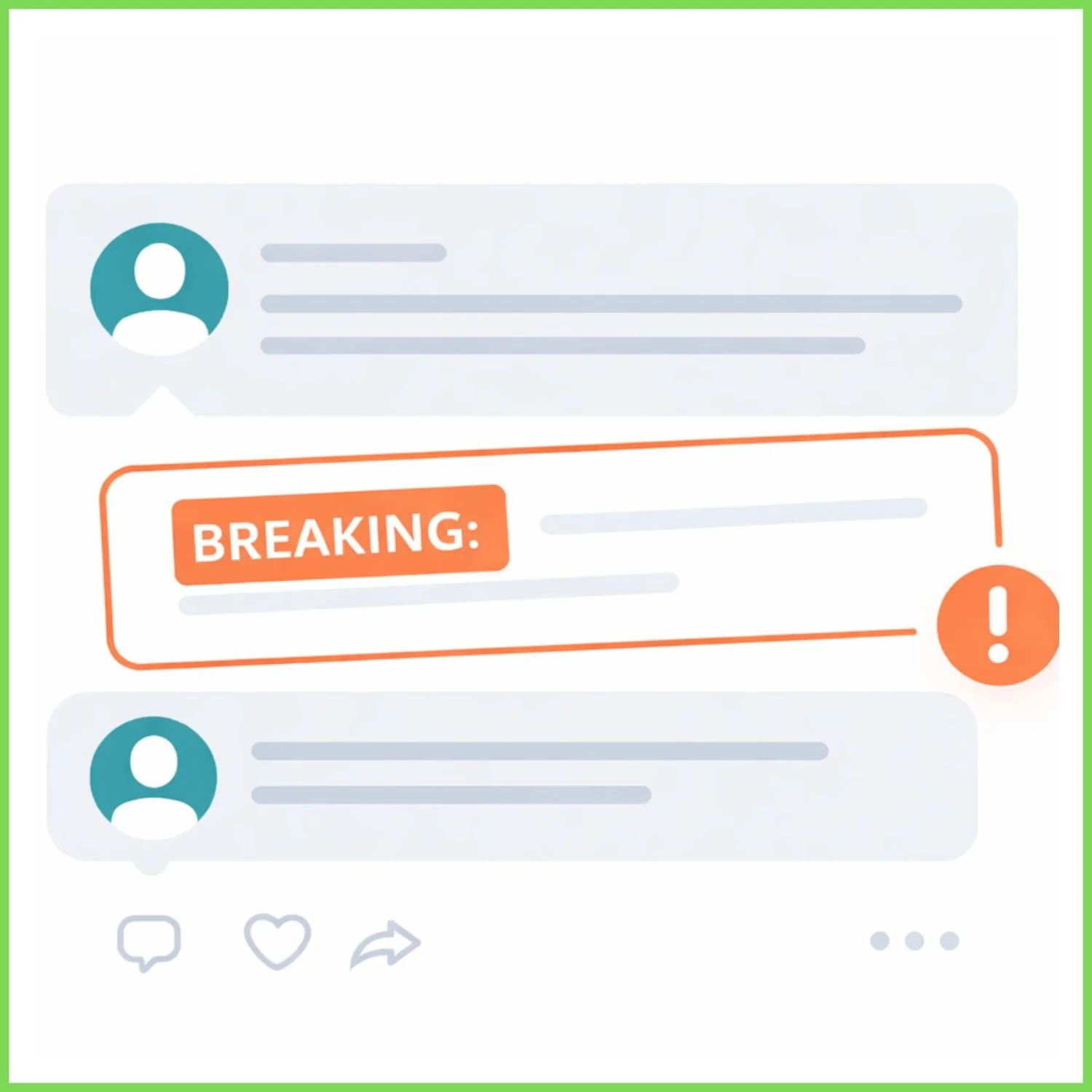
Practical strategies for correcting misinformation without amplifying it.
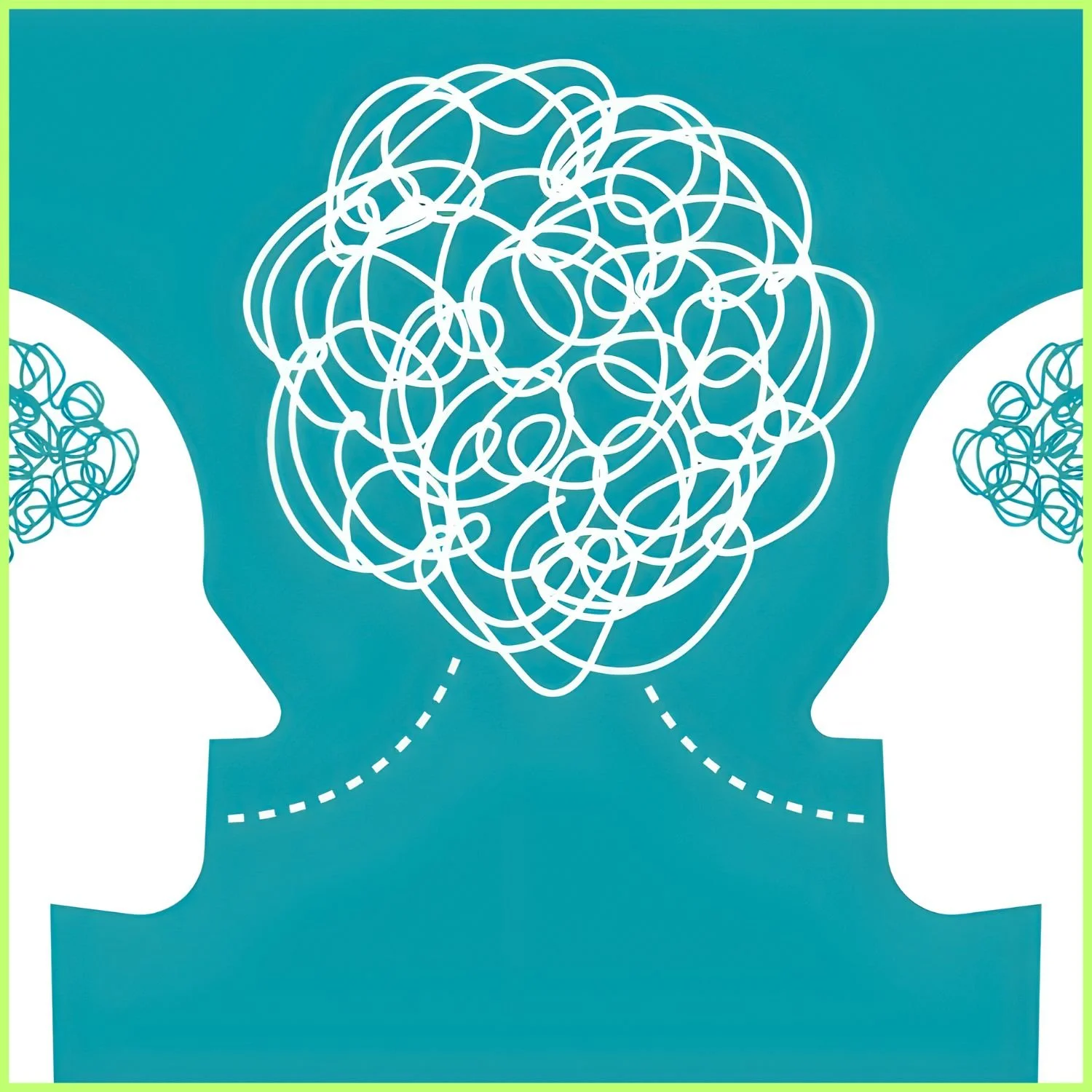
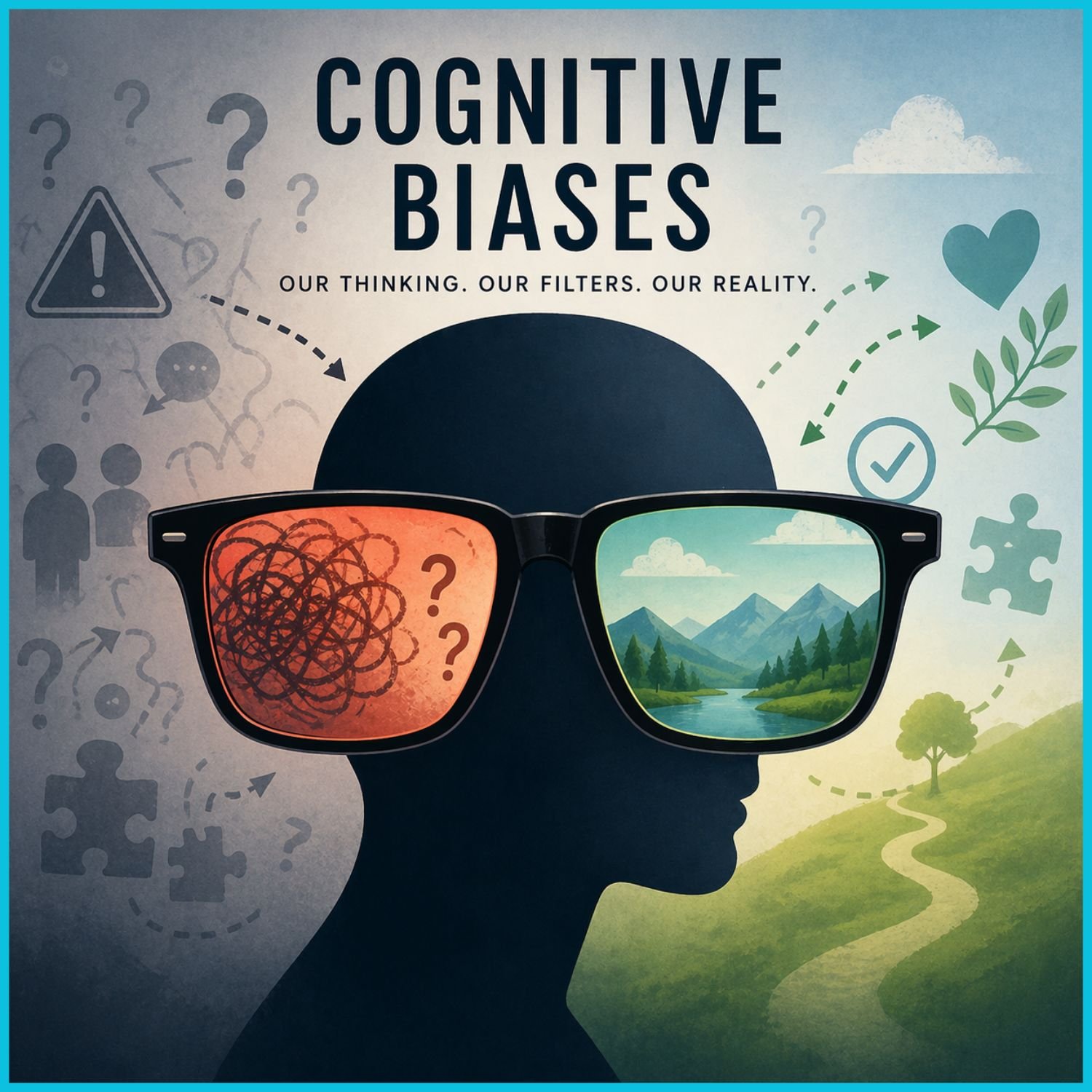
Understand the mental shortcuts and flawed arguments that can make MAiD misinformation seem more convincing than it is.
Watch MAiD-specific and general videos about how misinformation spreads, why it can be persuasive, and how to recognize it.
Explore helpful books and articles for understanding misinformation, media literacy, cognitive bias, and how false claims take hold.
MAiD Quiz - October 2026
Advance Requests and Consent Quiz
Test your knowledge of advance directives, Quebec's advance requests for MAiD, and the waiver of final consent. Choose one answer for each of the 10 questions.
Quiz complete
Great job! Did you learn anything new? Share how you did and invite your friends to try.