
Recent False Claims About MAiD
This section tracks recent claims about MAiD as they appear in media, politics, and online discussions. Entries are updated frequently to reflect how misinformation is evolving, with brief explanations to help clarify what’s accurate, what’s misleading, and what’s missing from the claim. We have begun adding international examples in addition to recent misinformation here in Canada, as the tactics are similar regardless of location, and often find their way into discussions about MAiD regardless of their original origin.
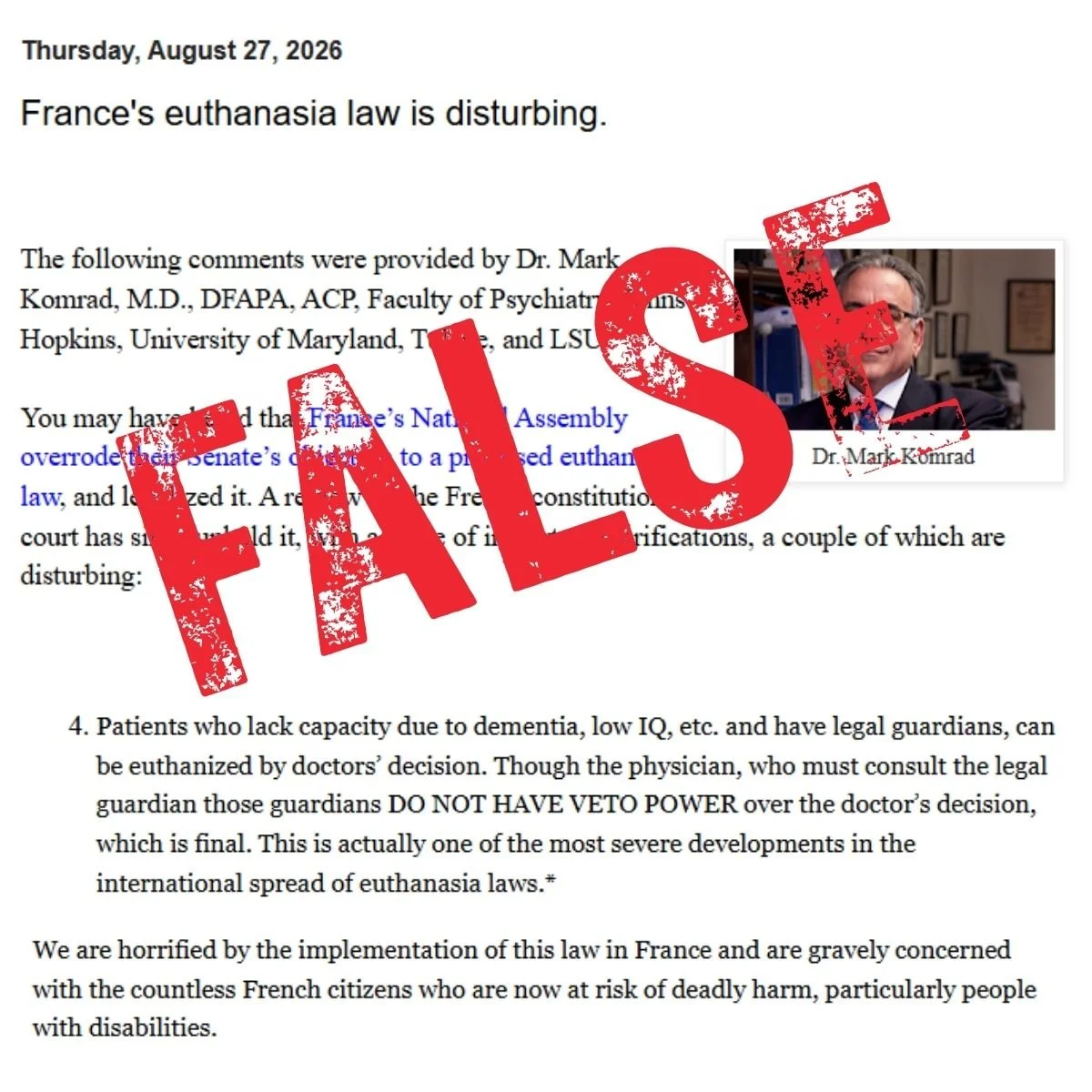
False Claim: France allows incapable people to be euthanized by a doctor’s decision
The Euthanasia Prevention Coalition claims France’s new assisted-dying law allows incapable people to be euthanized at a doctor’s discretion, even over a guardian’s objections. The law says the opposite: the person must be capable of expressing a free and informed will, serious impairment of decision-making ability disqualifies them, and a guardian can challenge an approval in court.
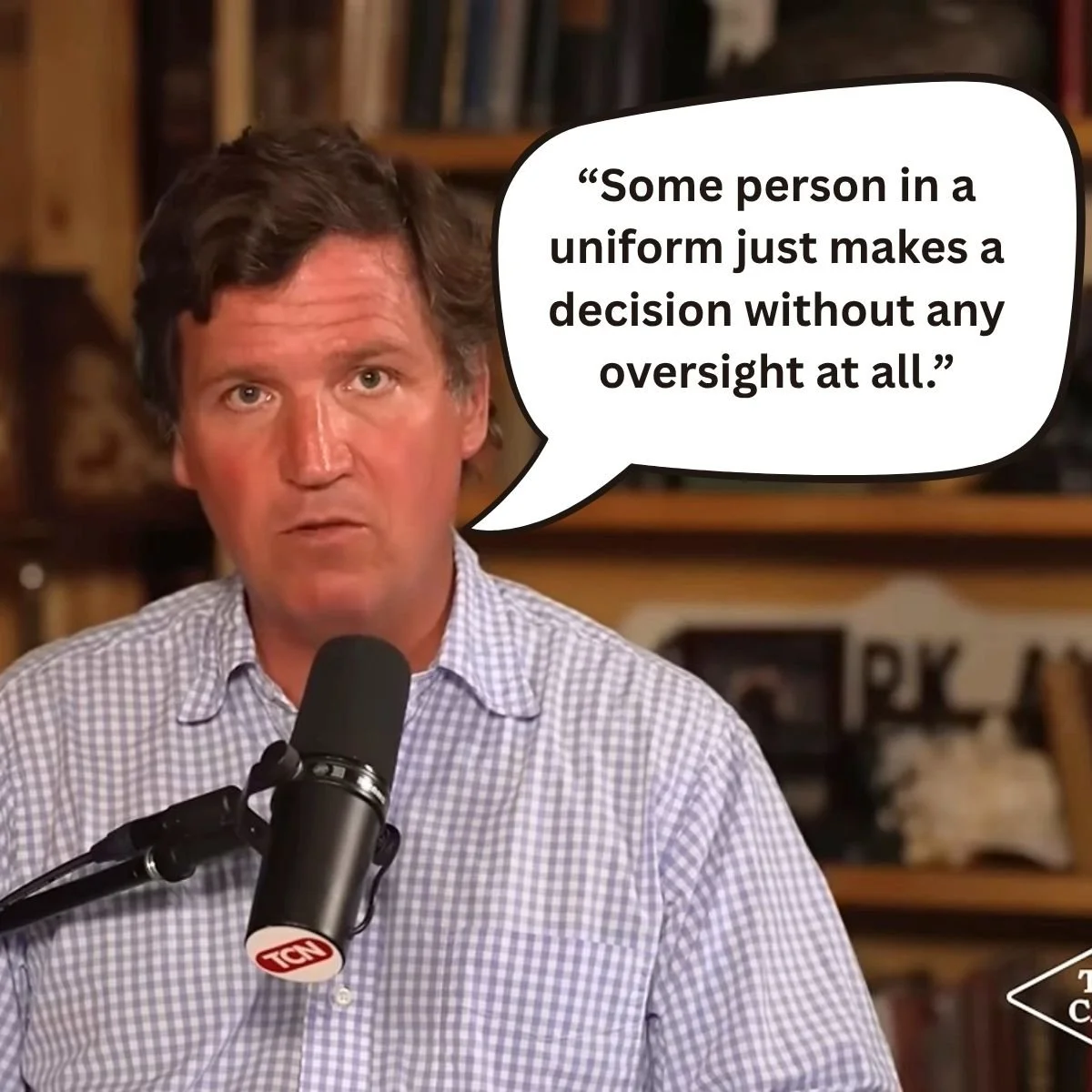
False Claim: “Some person in a uniform” can provide MAiD
Tucker Carlson suggested that MAiD decisions in Canada can be made by virtually any health-care worker, without oversight. In reality, only physicians and nurse practitioners can assess eligibility for or provide MAiD—and nurse practitioners are highly trained clinicians with advanced education and an expanded scope of practice. Registered nurses may support the process, but they cannot approve or provide MAiD. Carlson’s framing is not only false; it appears designed to undermine trust in health-care professionals and the safeguards governing assisted dying.
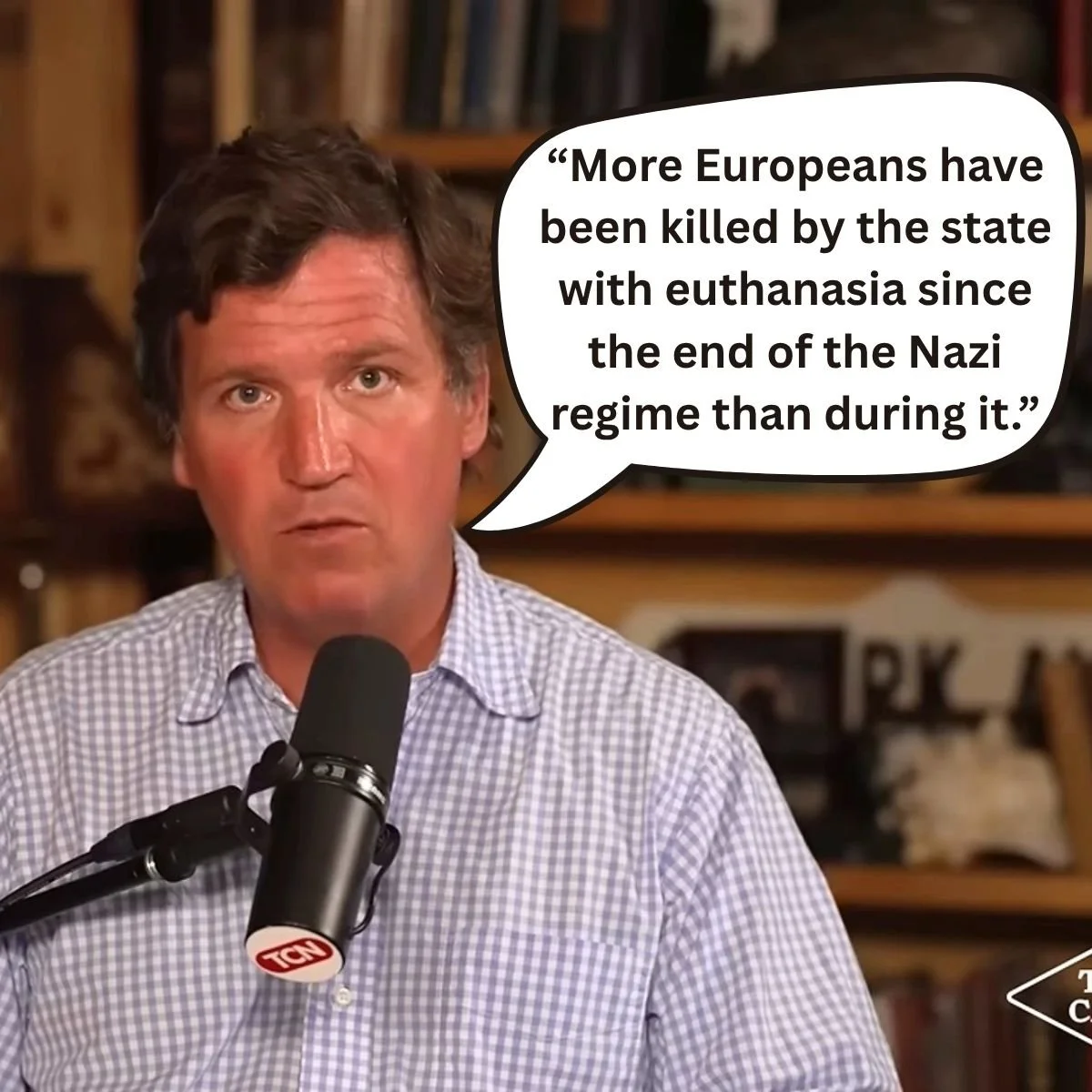
False Claim: More Europeans have been killed by euthanasia since the end of than Nazis
Tucker Carlson claimed that more Europeans have been killed through legal euthanasia since 1945 than were murdered by the Nazis. That would require assisted deaths in Europe to exceed roughly 12 million. The actual total is nowhere close—making Carlson’s statement not merely misleading, but absurdly and demonstrably false.
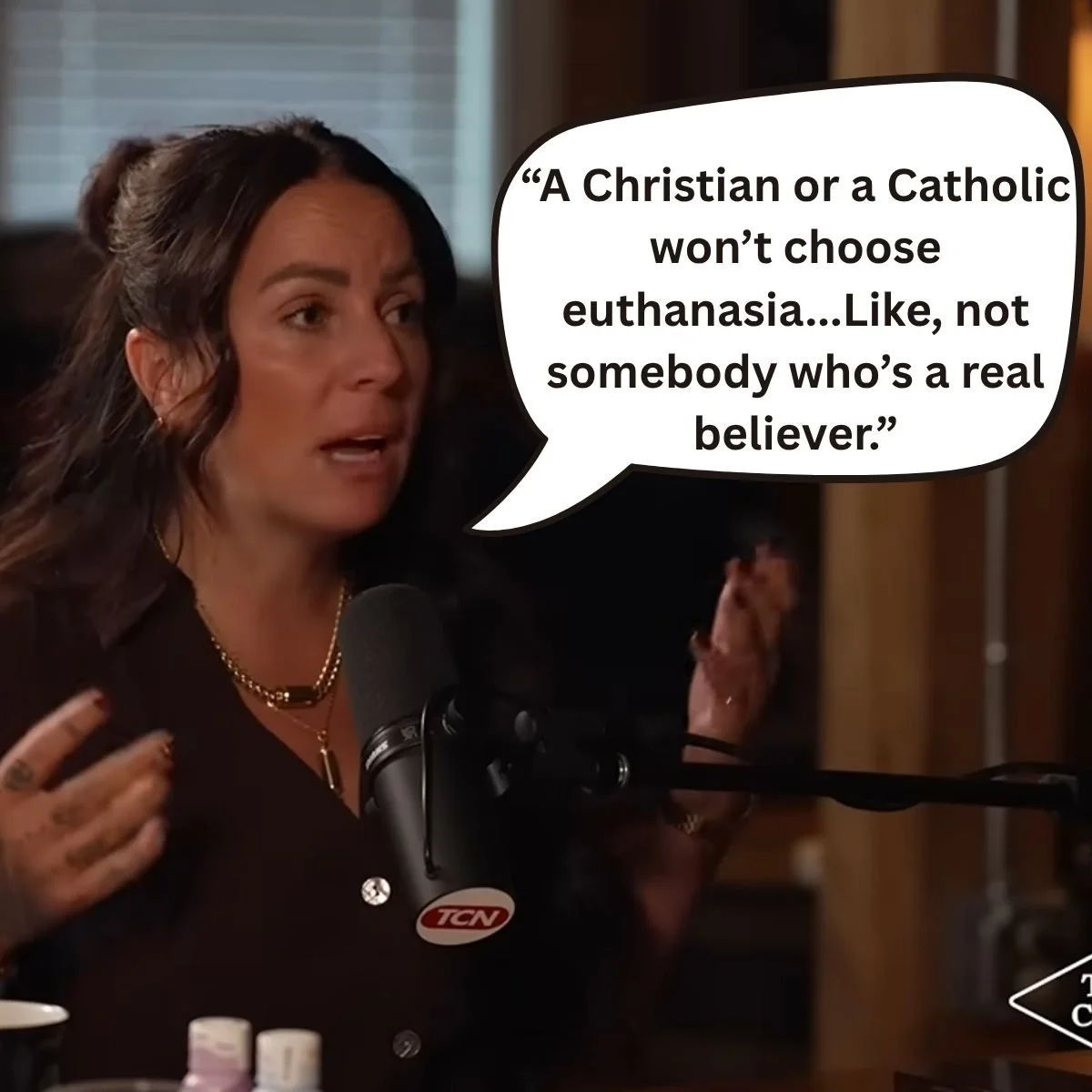
False Claim: People of faith never choose MAiD
Kelsi Sheren and Tucker Carlson claimed that no “real” religious believer would choose MAiD because every religion prohibits it. In reality, religious communities are diverse: many people of faith support assisted dying, and some choose it while continuing to practise and express their faith. Their sweeping claim erases those individuals and reduces deeply personal religious beliefs to a simplistic stereotype unsupported by evidence.
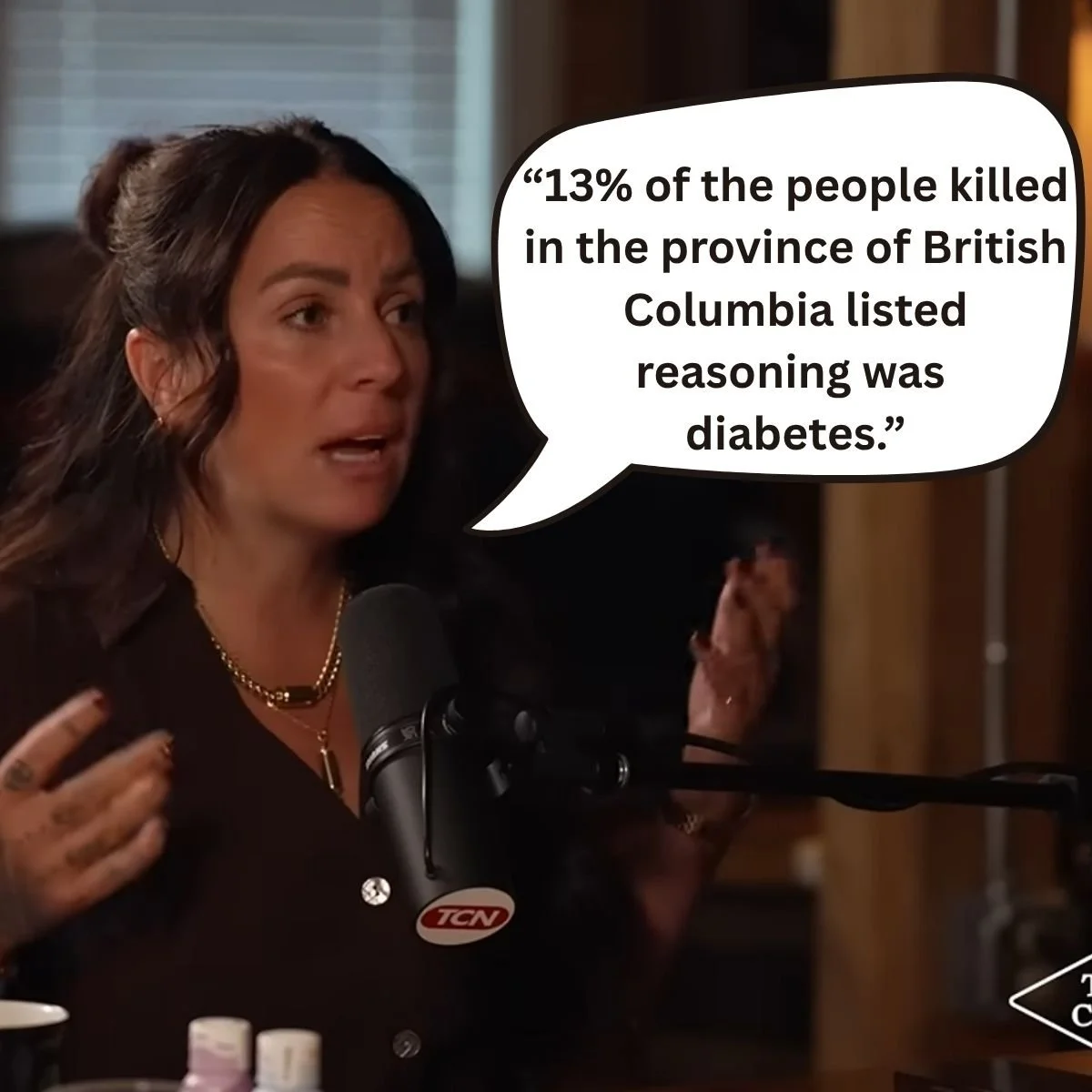
False Claim: Diabetes was the listed reason for MAiD in 13% of MAiD deaths in B.C.
Kelsi Sheren claimed that diabetes was the reason for 13% of assisted deaths in British Columbia. The likely source of her claim actually shows that diabetes was recorded as one of several possible medical conditions for just 5.8% of MAiD recipients—not necessarily the condition driving their request. The data do not show that anyone received MAiD solely because they had diabetes, making Sheren’s claim both mathematically wrong and deeply misleading.
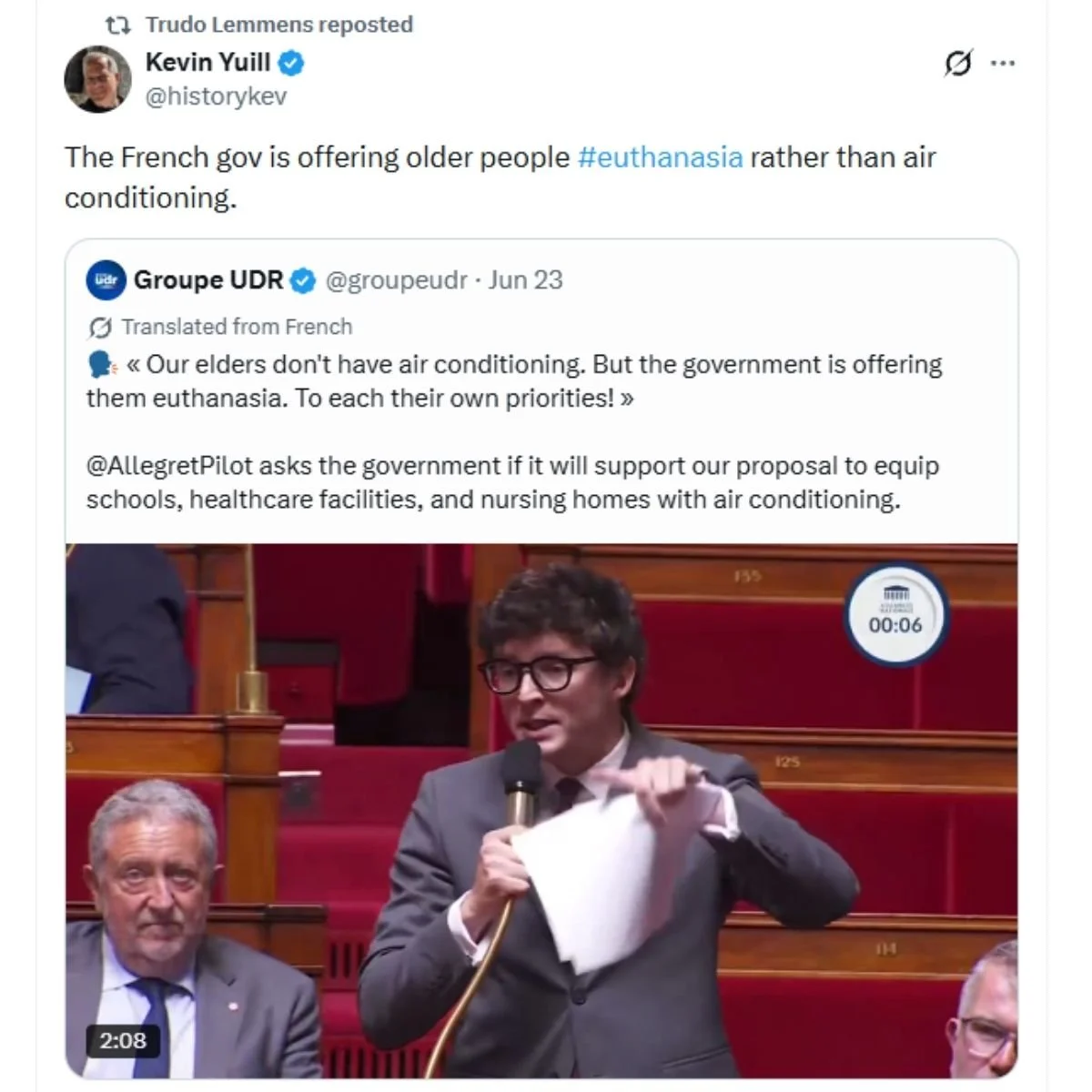
False Claim: The French government is offering seniors MAiD instead of air conditioning
Trudeau Lemmens recently reposted a claim suggesting that the French government is "offering older people euthanasia rather than air conditioning." While the claim may be emotionally compelling, it relies on a familiar and misleading tactic that falsely presents MAiD as an alternative to healthcare or social supports. This "MAiD instead of..." narrative has become a common feature of anti-MAiD messaging, despite having little relationship to how MAiD actually works.

False Claim: Allowing MAiD means “skipping to the end because the beginning and middle are expensive”
There should be no debate that Canadian veterans deserve better access to care and support. Unfortunately, Sheren follows that uncontroversial point with two familiar myths about MAiD: that it is used instead of providing treatment, and that it exists because treatment is too expensive. Neither claim is supported by the evidence.
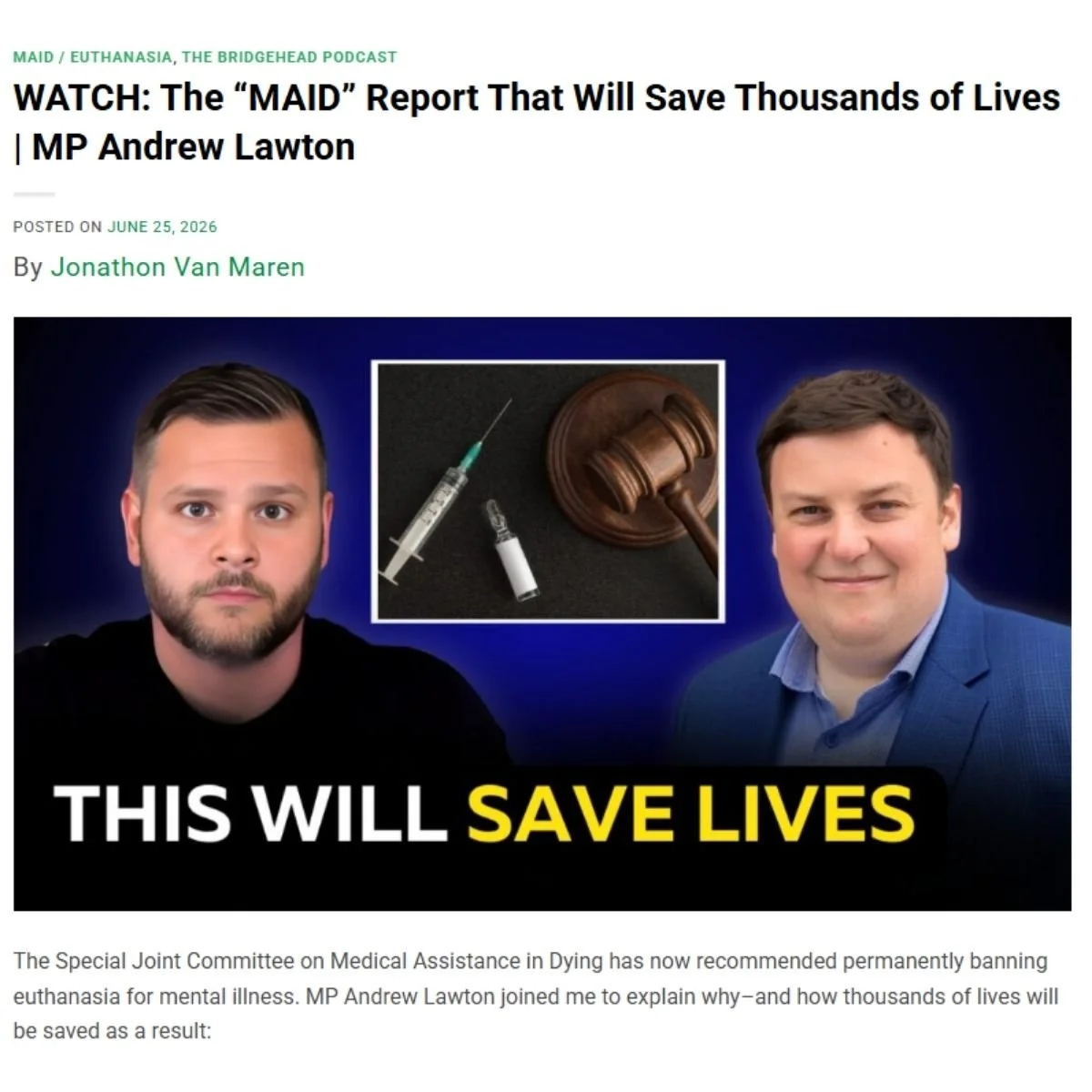
False Claim: Banning MAiD for mental illness will save “thousands of lives.”
Andrew Lawton claims that preventing MAiD for mental illness will save thousands of lives. That prediction is not supported by any evidence and is based on a fundamental misunderstanding of who could actually qualify under Canada's proposed eligibility criteria. The reality is that experts expect only a very small number of people to meet the exceptionally high threshold required for eligibility.

False Claim: Palliative care is dangerous, and Patients are being "hunted" there for MAiD
Some of the most harmful anti-MAiD messaging has nothing to do with MAiD itself. It falsely portrays doctors, nurses, and palliative care clinicians as people who actively seek out vulnerable patients to persuade them to choose assisted dying. Few messages are more likely to undermine trust in health care or discourage seriously ill people from seeking the compassionate care they need.
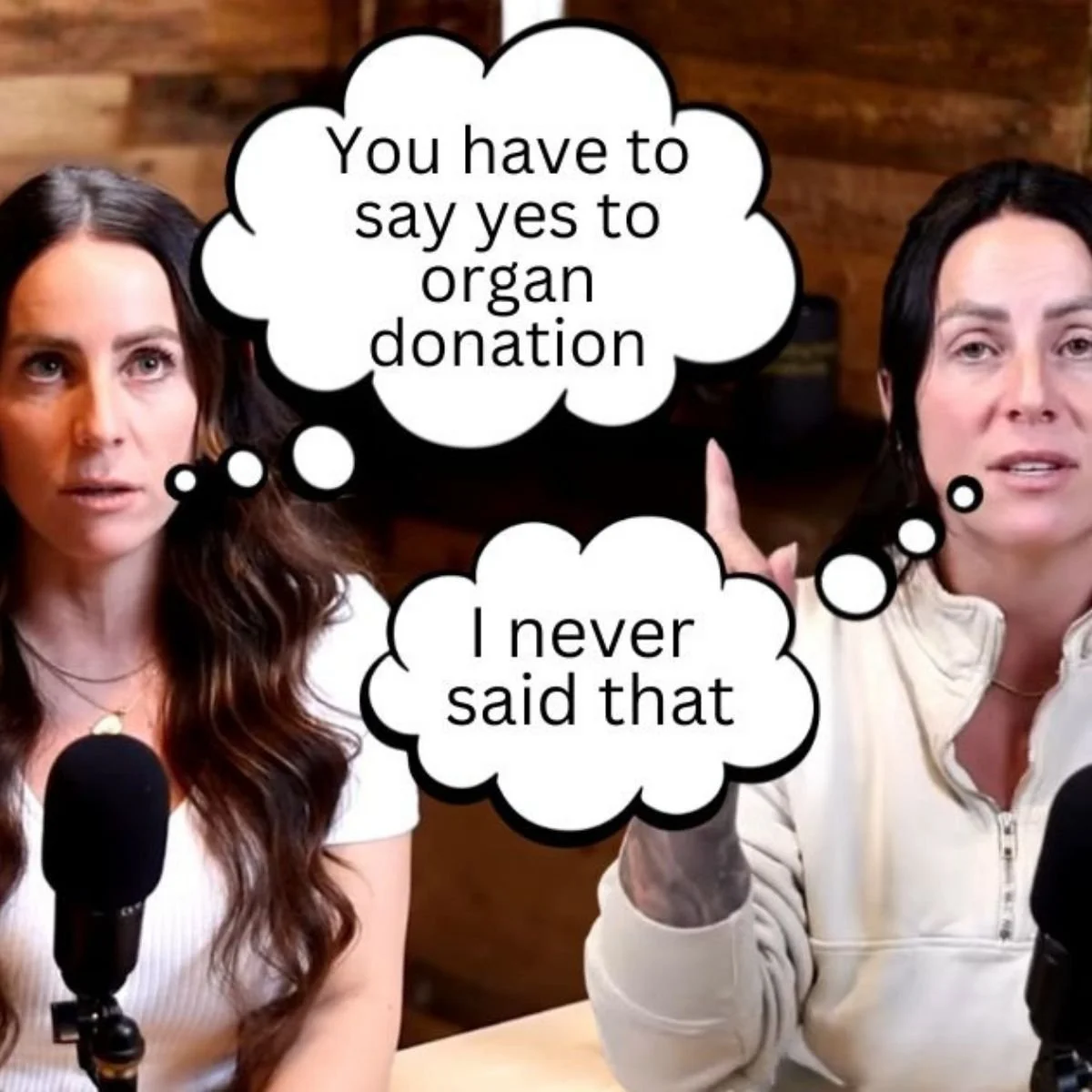
False Claim: People must agree to organ donation in order to have MAiD
Kelsi Sheren has repeatedly promoted the false claim that MAiD is linked to coercive organ donation, a claim independently debunked by both AFP Fact Check and CTV News. Despite the public record showing she repeatedly stated that organ donation was effectively required for MAiD, Sheren has since denied making those statements. The facts are clear: organ donation is never mandatory for MAiD, and only a small minority of people who receive MAiD are both eligible for and choose to become organ donors.

False Claims: Just about everything in this video
Triggernometry gave Kelsi Sheren a platform to make numerous false and misleading claims about MAiD, yet many of those claims went entirely unchallenged by the hosts. Viewers were left with a profoundly inaccurate understanding of how MAiD works in Canada, despite many of the claims having already been publicly debunked. We examined the interview in detail on our Substack, comparing Sheren's statements with the available evidence, Canadian law, and current clinical practice.

False Claim: Skin might be used to make wallets after MAiD
Kelsi Sheren has repeatedly objected to being called a conspiracy theorist. But when someone links MAiD, organ donation, skin donation, black markets, and “skin wallets” in the same breath, it becomes very hard to describe that as anything else. There is no evidence whatsoever that people who receive MAiD are being forced to donate organs or tissue — let alone that their skin is being turned into wallets.
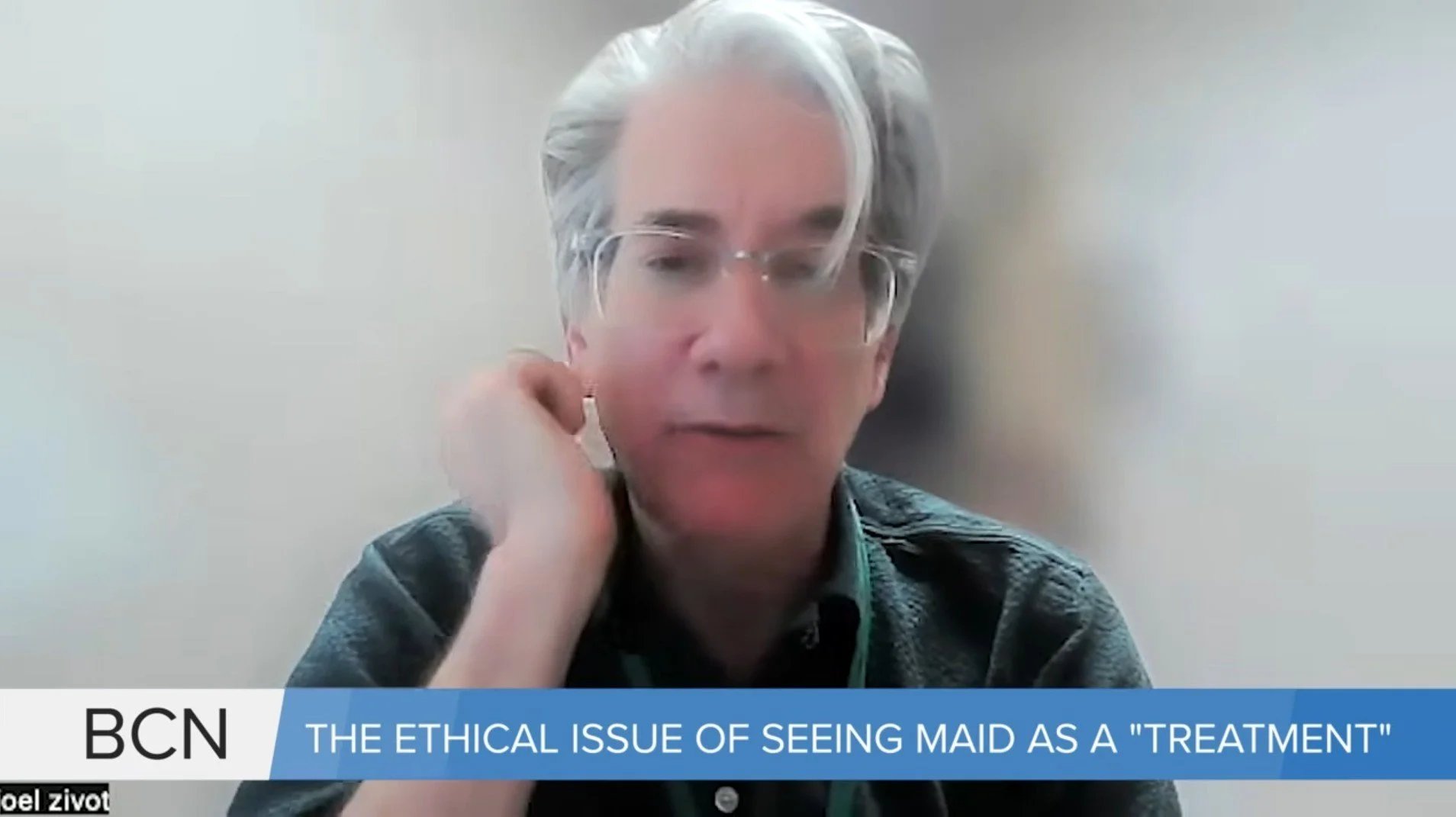
False Claim: Dr. Zivot is back claiming people are “drowned to death”
Dr. Joel Zivot is again claiming that people who receive MAiD in Canada are being “drowned to death.” We take another quick look at why these claims do not match the science — ahead of a much more detailed (and admittedly nerdy) breakdown coming in the next few weeks.
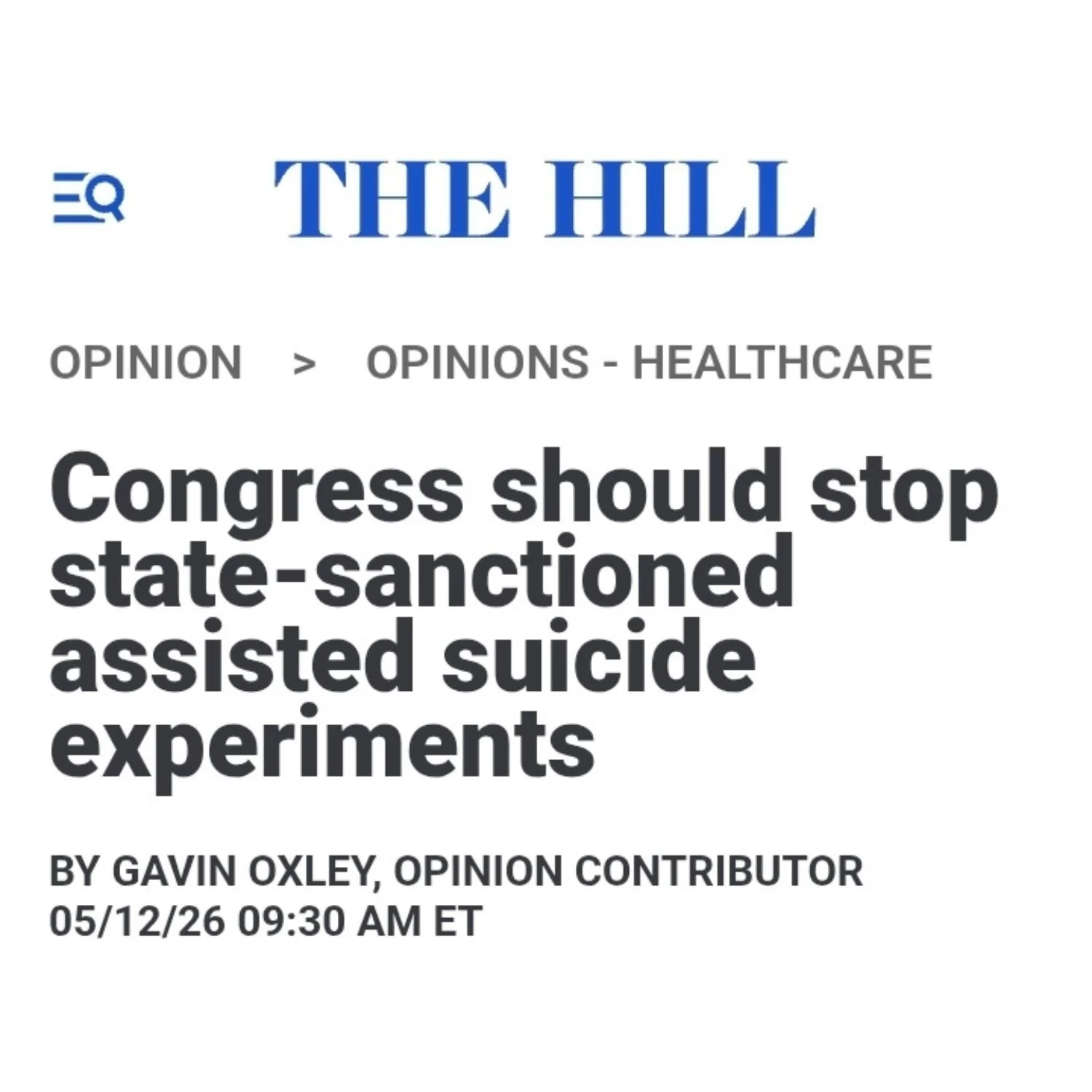
False Claim: MAiD Providers “regularly prescribe experimental drug compounds at lethal doses”
This article from The Hill claims assisted dying involves “experimental drug compounds” and dangerous complications. But the concerns it raises are largely based on the American oral self-administration model and do not reflect how MAiD is practiced in Canada, where the process is medically supervised, overwhelmingly IV-based, and carefully regulated.
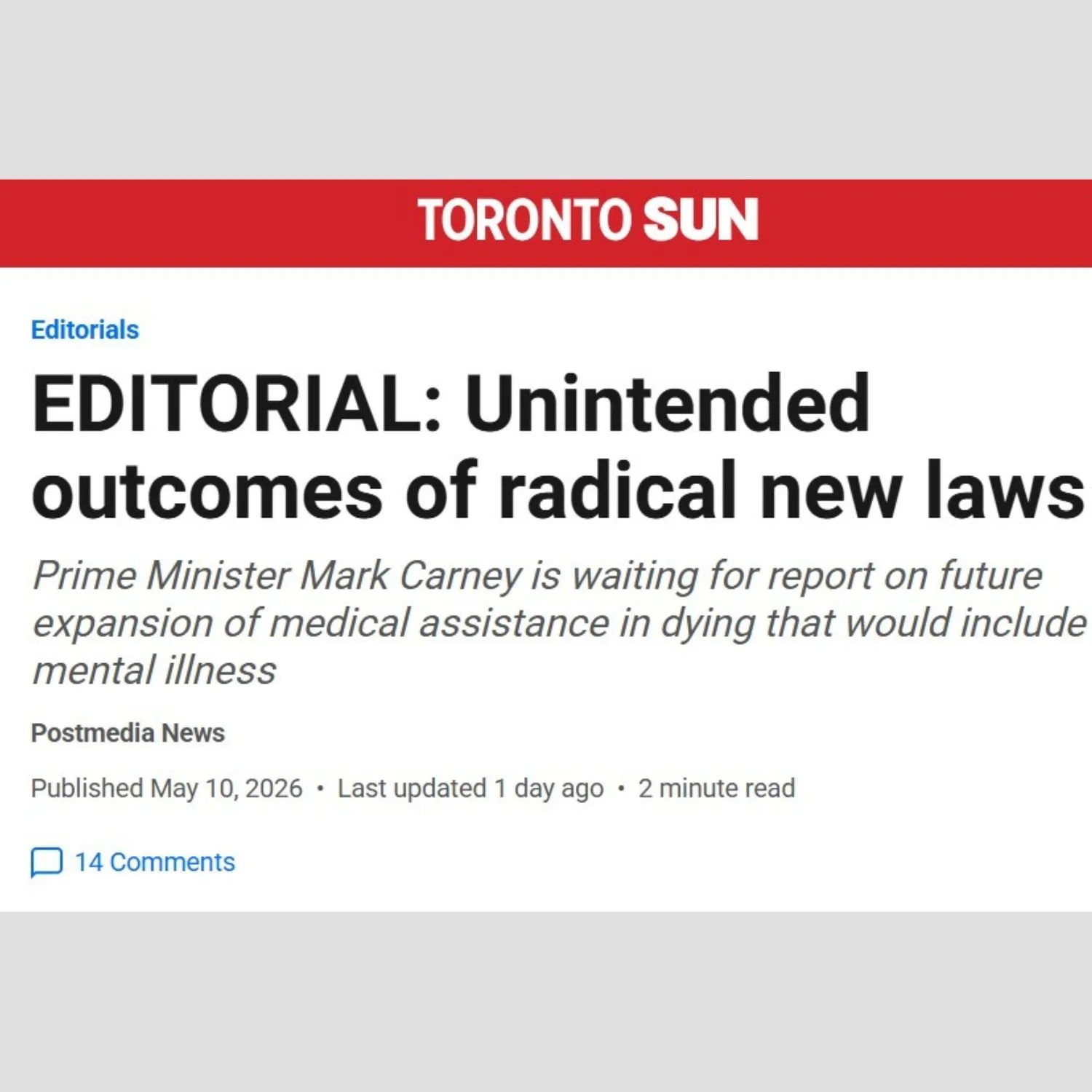
False Claim: “the Liberals proposed assisted suicide for people suffering from terminal illness”
The Toronto Sun wants readers to believe MAiD was a Liberal invention. It wasn’t. MAiD became legal because the Supreme Court of Canada ruled the blanket prohibition unconstitutional in Carter v. Canada.
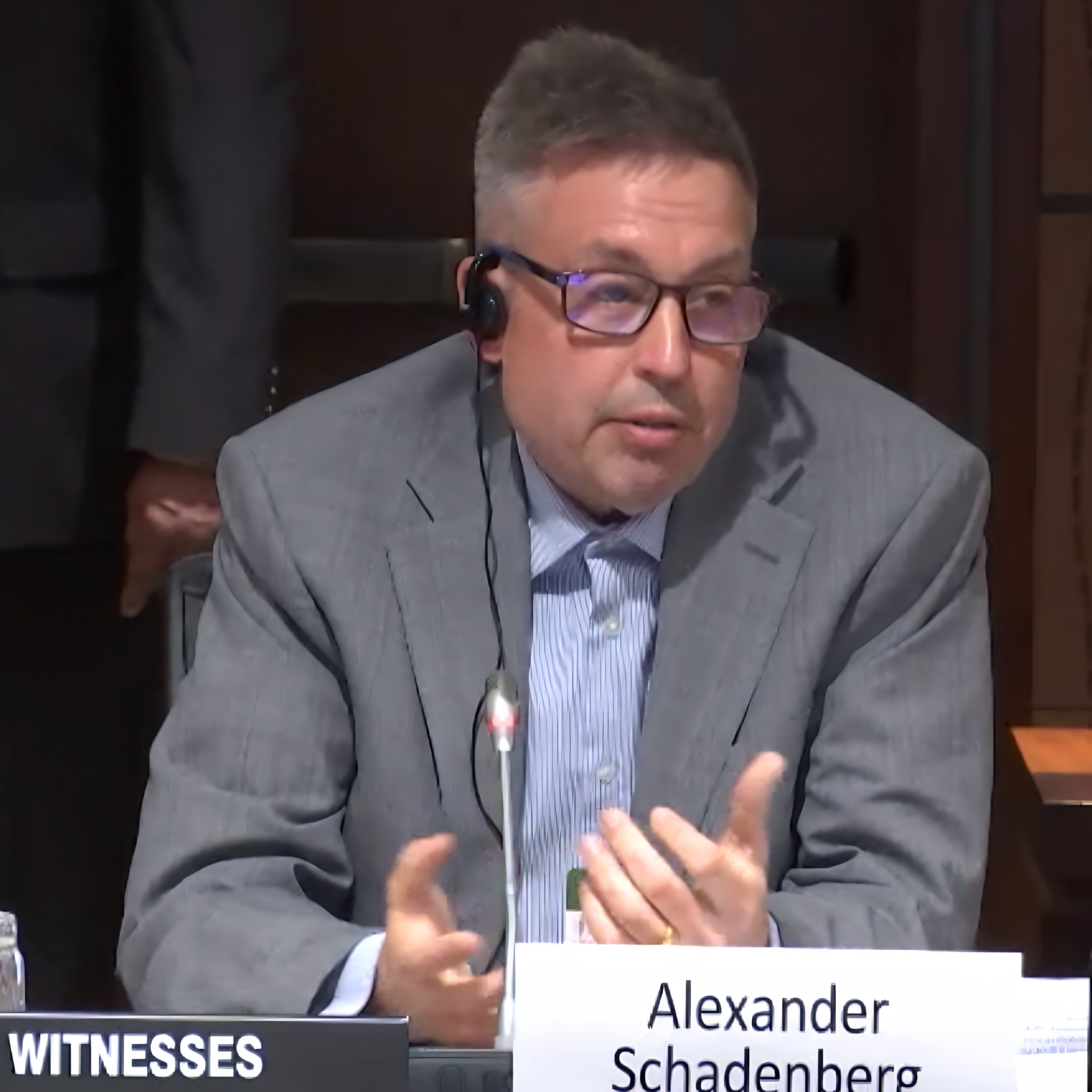
False Claim: MAiD assessors “only” have to “be of the opinion” that someone meets the eligibility criteria
Alex Schadenberg claims MAiD assessors “only” need to be “of the opinion” that someone meets the eligibility criteria. But in medical and legal contexts, that phrase does not mean a casual belief or personal hunch. It means a formal professional judgment, grounded in the law, the facts of the case, and the standards that apply to MAiD assessment.

False Claim: RFK Jr. claims MAiD is the leading cause of death in Canada
At a recent U.S. Senate committee hearing, Robert F. Kennedy Jr. claimed that MAiD is the number one cause of death in Canada. That claim is false: MAiD is not classified as a cause of death in Canadian mortality data, and major causes of death such as cancer and heart disease account for far more deaths each year. The “leading cause of death” narrative is a recurring misinformation tactic that relies on shock value rather than medical or statistical reality.

False Claim: “Most cases of desire to die is a symptom of mental illness”
Dr. Saba claimed that “in most cases the desire to die is a symptom of mental illness.” But wanting to die can arise from very different circumstances, including suicidal crisis, treatable psychiatric suffering, or a competent request for MAiD in the context of grievous physical decline. MAiD assessors and providers are required to understand those distinctions—and they do.
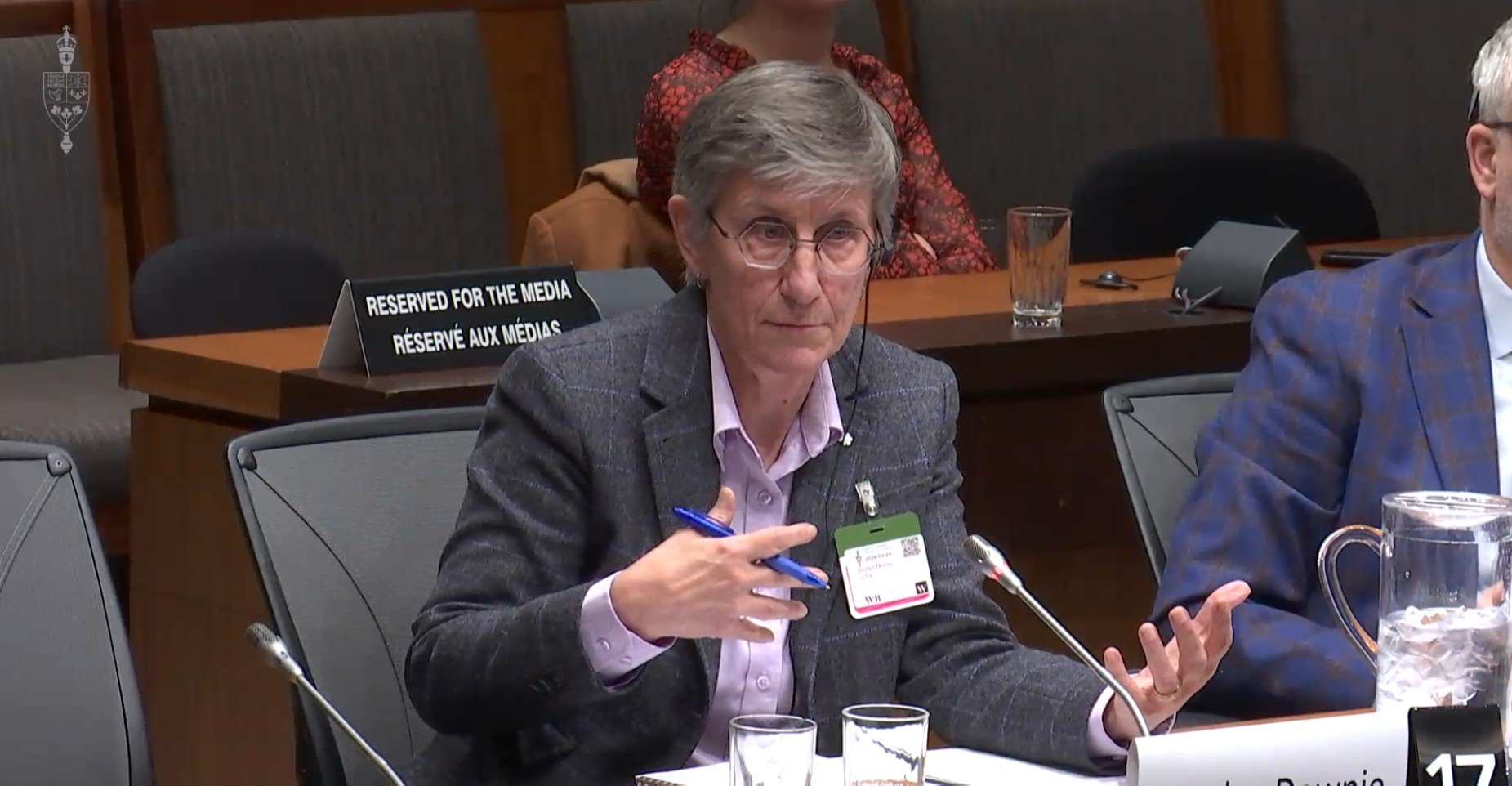
False Claim: Jocelyn Downie says the mentally ill must be euthanized lest they kill themselves
A National Post column and anti-MAiD activists claimed legal scholar Jocelyn Downie said people with mental illness “must be euthanized lest they kill themselves.” She said no such thing. This article examines how her actual testimony was distorted into a classic straw man—replacing a nuanced argument with a more extreme version that is easier to attack.

False Claim: Suicide Rates Are Rising in Canada
After parliamentary testimony about MAiD and mental illness, Alex Schadenberg claimed rising suicide numbers in Canada as a rebuttal. But official Canadian data tells a different story: suicide rates per 100,000 population have remained relatively stable, revealing how selective statistics can distort the debate.