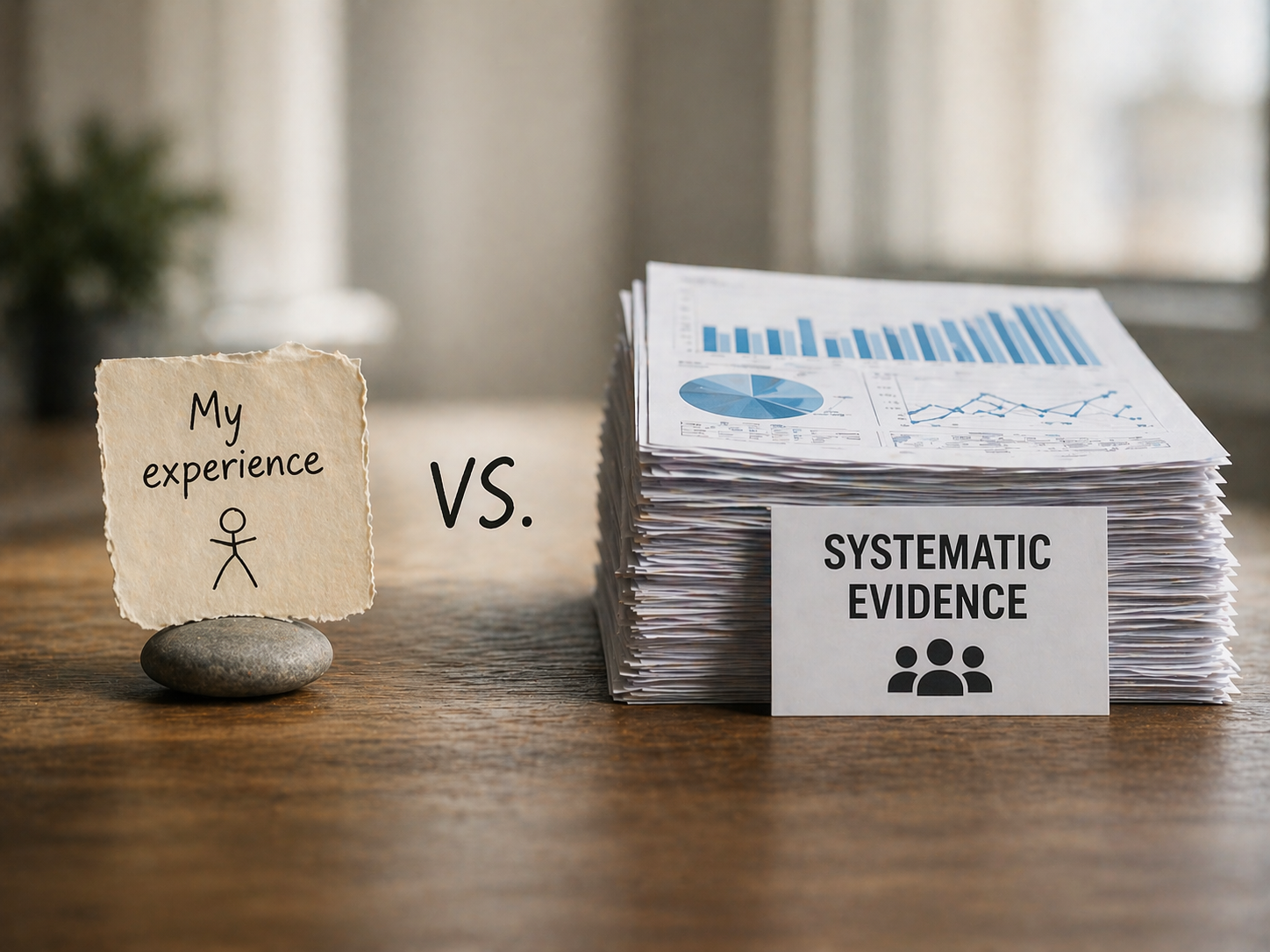
Recognizing MAiD Misinformation
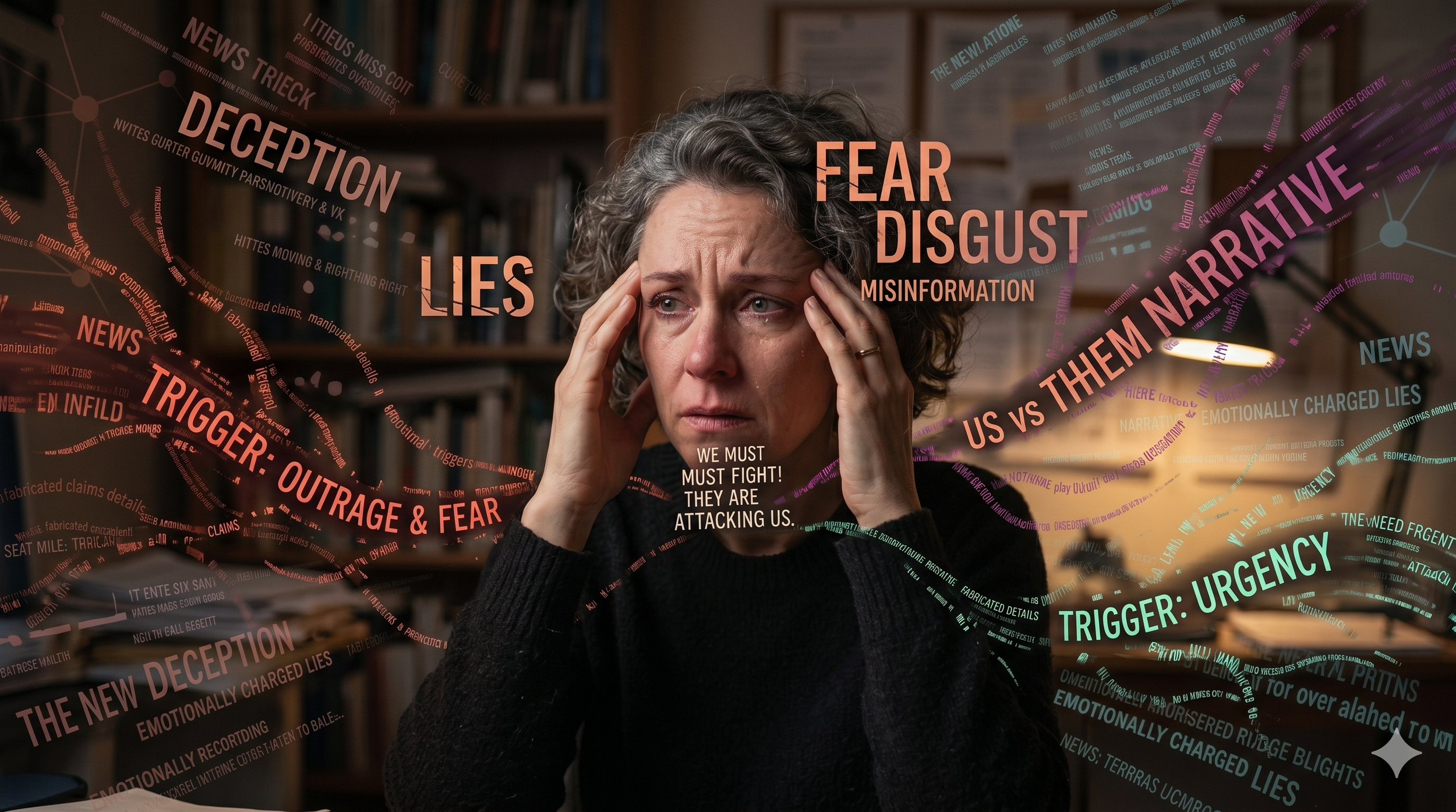
Misinformation about Medical Assistance in Dying (MAiD) doesn’t just create confusion—it shapes deeply personal decisions at the end of life. It often appears in emotional stories, misleading claims about the law, or language designed to provoke fear and doubt. Even when shared with good intentions, this kind of information can distort how people understand their options, their rights, and the safeguards that are actually in place.
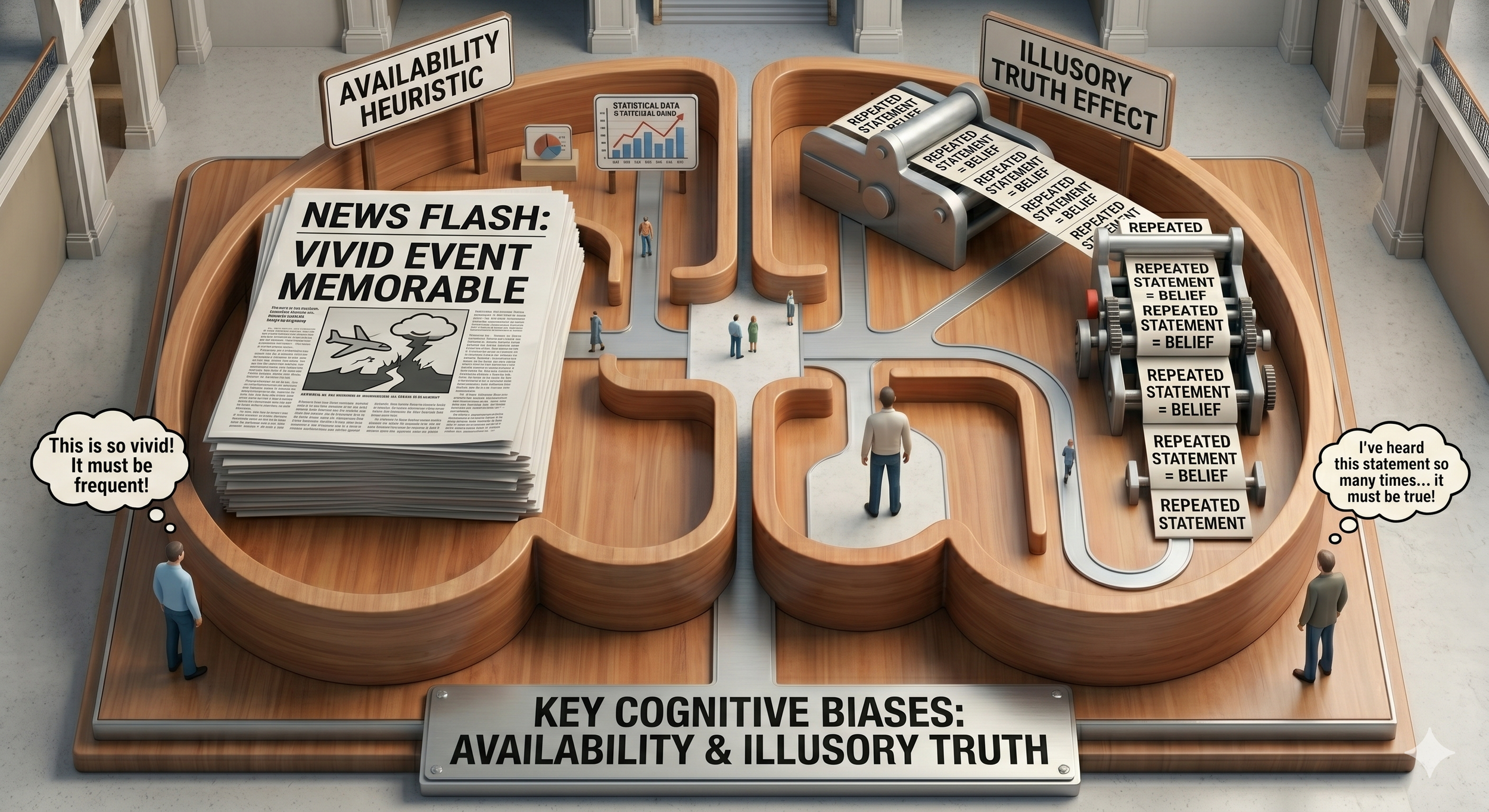
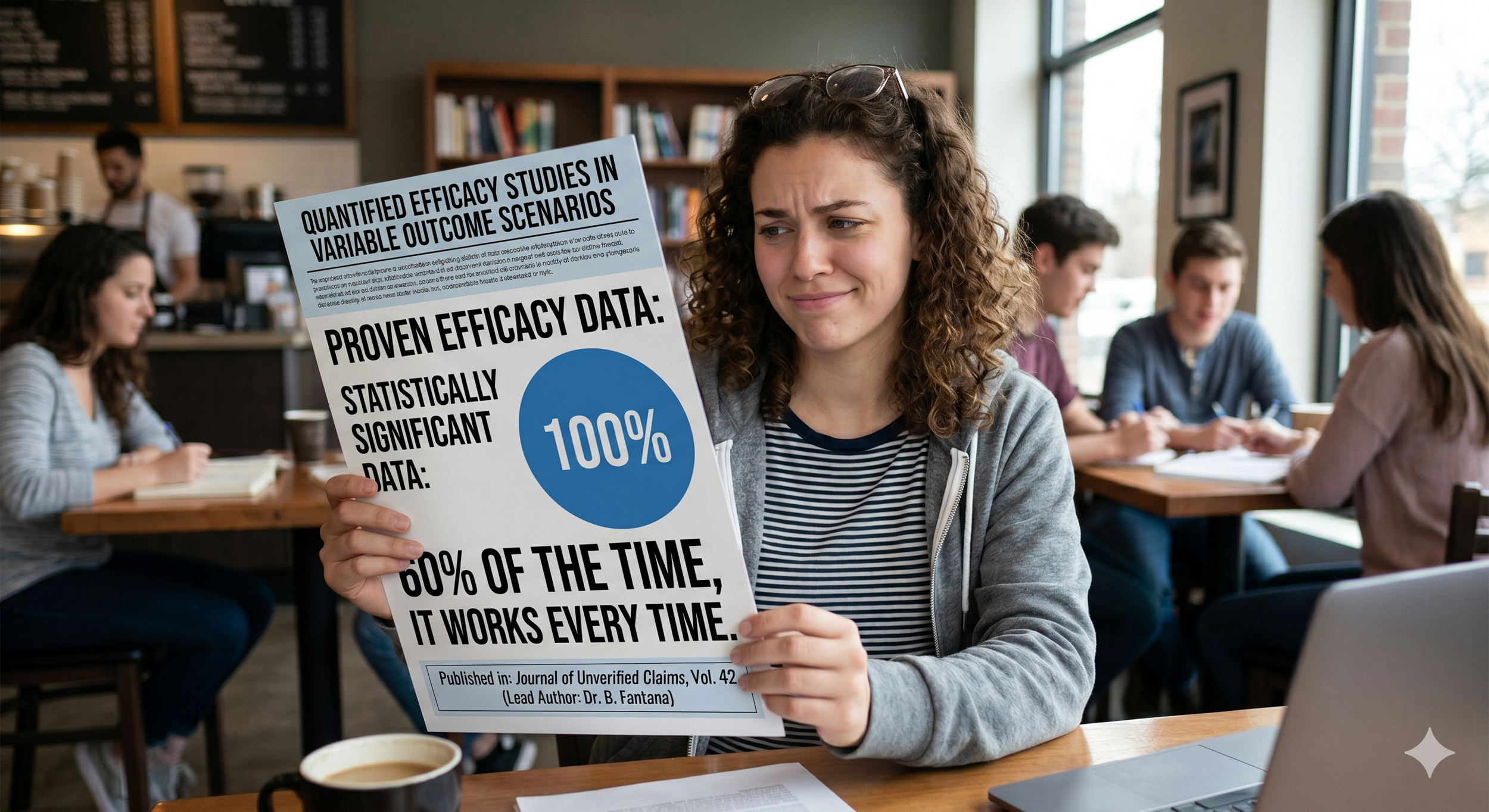
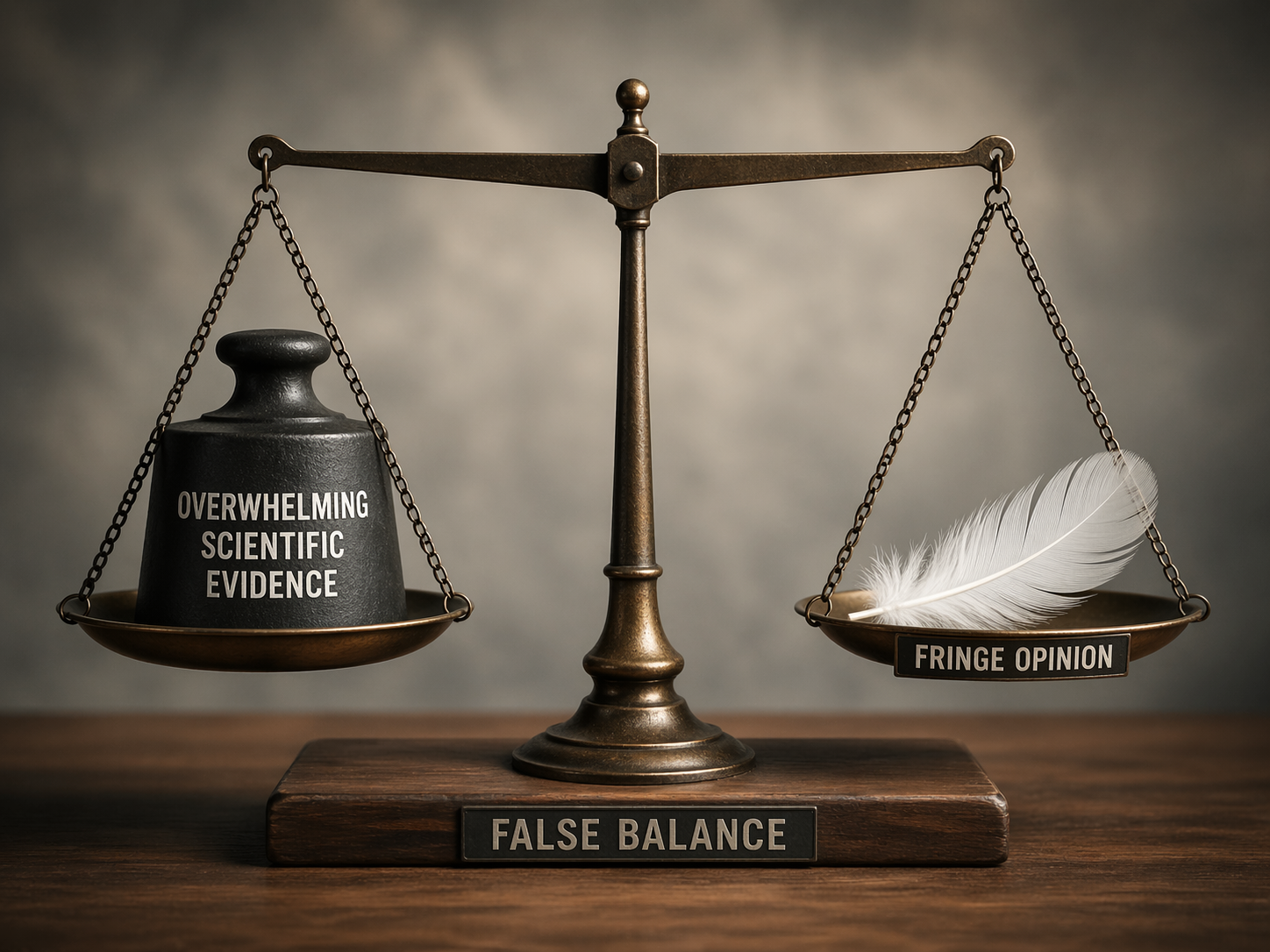
In this section, we focus on how to recognize MAiD-related misinformation when you encounter it—online, in the media, or in everyday conversations. Drawing on research from psychology, health communication, and misinformation studies, these are the patterns, tactics, and warning signs that can help you separate what feels persuasive from what is actually accurate.